Support 24/7: +48 61 646 07 77

Centuria Cloud to nasza chmura utrzymywana w Polsce – dla aplikacji, które muszą działać bez przerw. Skalujemy zasoby, budujemy odporność na awarie i bierzemy na siebie utrzymanie oraz bezpieczeństwo, żebyś nie musiał gasić pożarów przy każdym większym ruchu czy wdrożeniu. E-commerce to nasza największa specjalizacja, ale wspieramy też SaaS, FinTech i MedTech.
140
+
wdrożonych i utrzymywanych projektów klienckich
300
obsłużonych zamówień na minutę (w trakcie Black Friday)
2400
serwerów, którymi zarządzamy
1800
%
przeskalowanie biznesu jednego z klientów
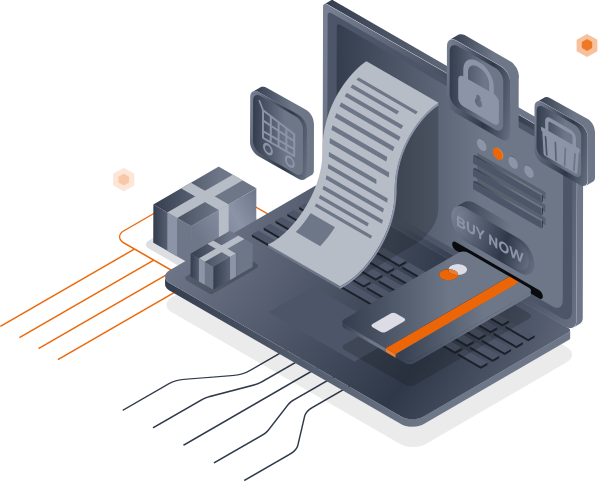


Przygotowujemy opis projektu, wymagań i oczekiwań wraz z przesłaniem rekomendacji od agencji deweloperskiej.
Zanim przystąpimy do realizacji usługi, przedstawiamy projekt możliwych rozwiązań.
Krok po kroku wdrażamy rozwiązanie zaakceptowane przez klienta.
Po oddaniu projektu dbamy o jego utrzymanie i przeprowadzamy optymalizacje.

Zwykle ręczne (zmiana planu), możliwy downtime
Szybsze zmiany zasobów, łatwiej rozbudować środowisko

Brak w standardzie
Możliwe scenariusze HA i redundancji (wg potrzeb systemu)

Po stronie klienta / dodatkowe narzędzia
Monitoring i alerty w pakiecie + reakcja

Zależnie od oferty, często bez testów odtwarzania
Automatyczne kopie + retencja + weryfikacja (dodatkowo)

Best effort / ograniczone okno
Szybki czas reakcji + 24/7

Głównie po stronie klienta
Managed – bierzemy odpowiedzialność za operacje

Stałe, niskie wejście, drożej gdy rośnie złożoność
Wyższe wejście, ale mniej ryzyka i mniej pracy operacyjnej
Zwykle ręczne (zmiana planu), możliwy downtime
Szybsze zmiany zasobów, łatwiej rozbudować środowisko
Brak w standardzie
Możliwe scenariusze HA i redundancji (wg potrzeb systemu)
Po stronie klienta / dodatkowe narzędzia
Monitoring i alerty w pakiecie + reakcja
Zależnie od oferty, często bez testów odtwarzania
Automatyczne kopie + retencja + weryfikacja (dodatkowo)
Best effort / ograniczone okno
Szybki czas reakcji + 24/7
Głównie po stronie klienta
Managed – bierzemy odpowiedzialność za operacje
Stałe, niskie wejście, drożej gdy rośnie złożoność
Wyższe wejście, ale mniej ryzyka i mniej pracy operacyjnej
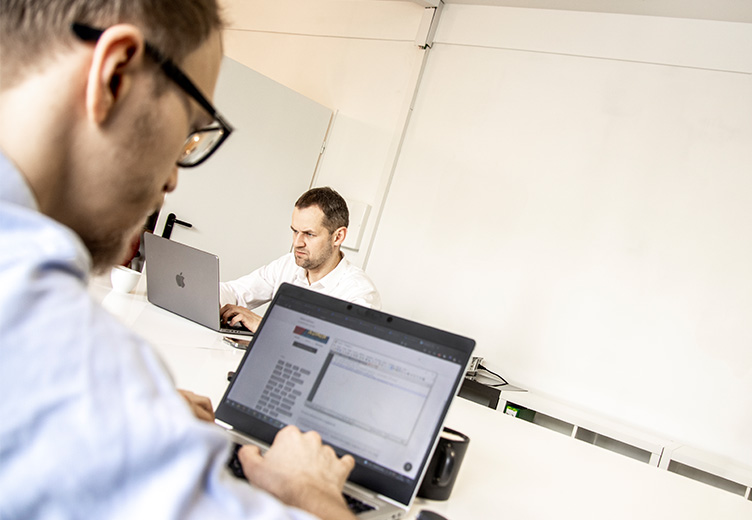
Największą wartością chmury nie jest magia technologii, tylko to, że da się z niej zbudować środowisko odporne na typowe problemy: nagły wzrost ruchu, wąskie gardła i awarie pojedynczych elementów. Kiedy system jest krytyczny – sprzedaż, obsługa klienta, płatności, integracje, dostęp do danych – przerwa w działaniu natychmiast przekłada się na straty i chaos w firmie.
Dlatego Centuria Cloud projektujemy pod stabilność i operacje tak, żeby utrzymanie było przewidywalne, a problemy nie kończyły się gaszeniem pożaru. To podejście sprawdza się w e-commerce (piki, kampanie, sezonowość), ale równie dobrze w SaaS, FinTech i MedTech, gdzie liczy się ciągłość działania i kontrola nad środowiskiem.
To są elementy, które w praktyce robią różnicę między serwerem w chmurze a środowiskiem, na którym można oprzeć krytyczny system.

Cloud hosting ma sens, jeśli:
Chmura nie gwarantuje automatycznie wysokiej dostępności – ona tylko ułatwia jej zbudowanie!
Żeby awaria nie oznaczała przestoju, trzeba zaplanować redundancję kluczowych elementów: warstwy aplikacji, bazy danych, cache i sieci. W Centuria Cloud projektujemy środowisko pod Twój scenariusz działania, a nie pod jedną uniwersalną obietnicę.

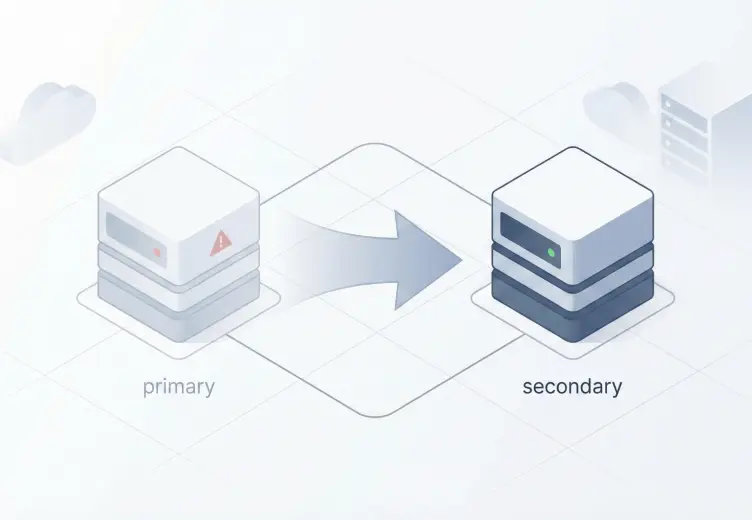
Awarie się zdarzają. Różnica polega na tym, czy kończą się telefonem „strona nie działa”, czy przełączeniem ruchu i spokojną naprawą w tle. W dobrze zaprojektowanym środowisku nie walczysz z czasem – masz plan.
Nie chodzi o to, żeby mieć jak najwięcej wykresów. Chodzi o to, żeby widzieć problem zanim zobaczy go klient – i wiedzieć, co z nim zrobić.
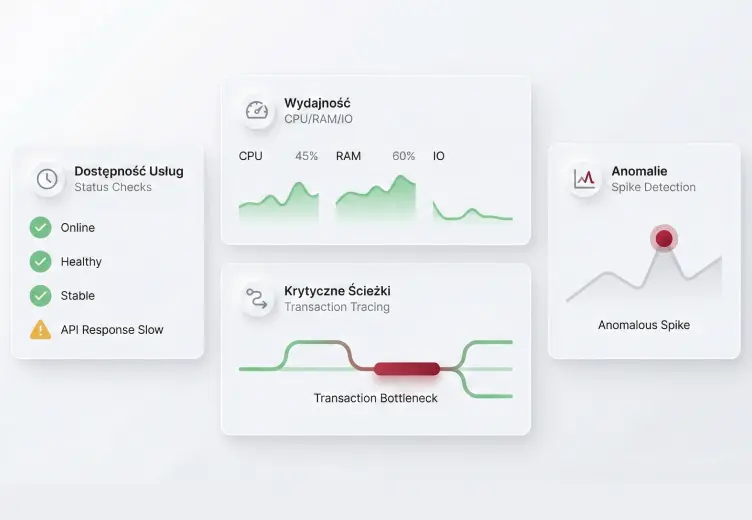
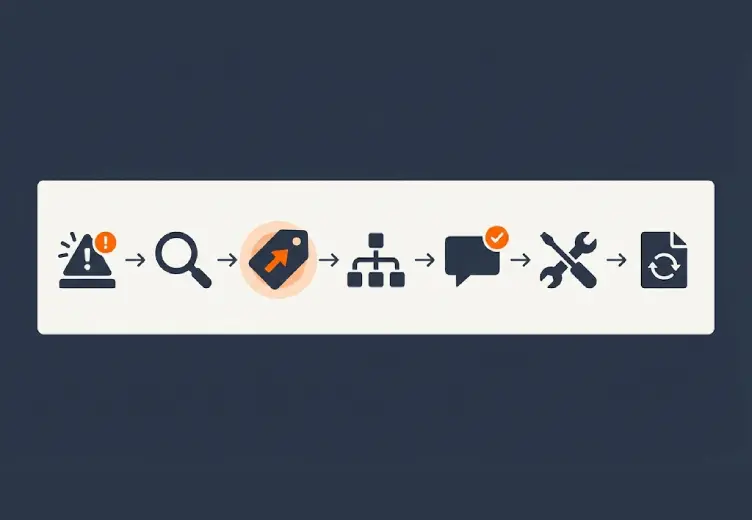
W momencie awarii najgorsze jest chaos. Brak informacji, brak odpowiedzialności i decyzje podejmowane na ślepo. Dlatego operacje opieramy o jasny proces – od wykrycia problemu, przez priorytetyzację, po eskalację i komunikację. Po incydencie domykamy temat analizą przyczyny i wnioskami, żeby ta sama sytuacja nie wracała co kilka tygodni.
To podejście jest kluczowe w systemach krytycznych, które MUSZĄ działać 24/7, jak: SaaS, e-commerce, transakcjach, integracjach i aplikacjach, które napędzają procesy w firmie.
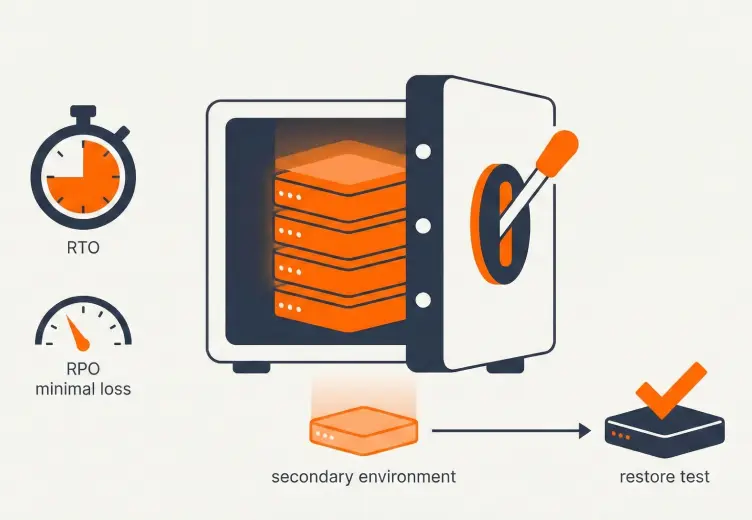
Backup bez testów daje złudne poczucie bezpieczeństwa. W Centuria Cloud patrzymy na kopie jako na proces, który musi działać pod presją.
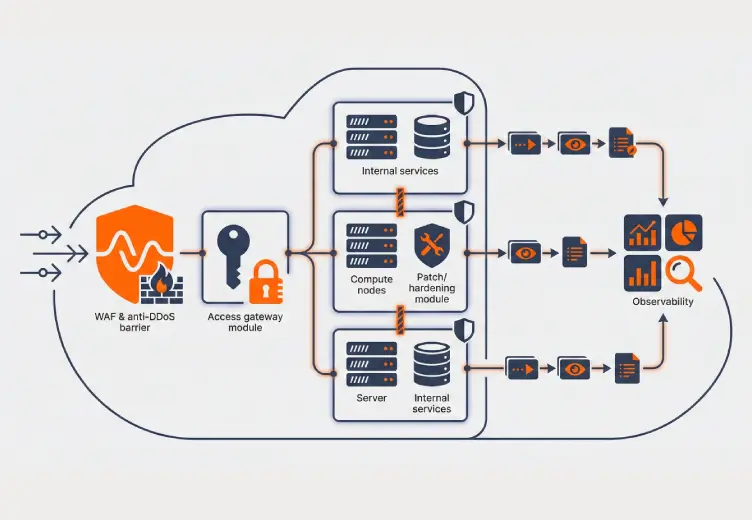
Bezpieczeństwo w cloud hostingu zaczyna się od dostępu: MFA, role i zasada najmniejszych uprawnień.
Do tego dochodzi hardening i aktualizacje, segmentacja sieci, logi i monitorowanie zdarzeń. Jeśli system jest narażony na ataki z internetu, dokładamy ochronę na brzegu (np. WAF i mechanizmy anty-DDoS) – ale dopiero wtedy, gdy mamy uporządkowaną bazę.
Po naszej stronie jest utrzymanie środowiska. W jego skład wchodzą: monitoring, incydenty, aktualizacje, bezpieczeństwo, kopie i bieżące optymalizacje.
Po Twojej stronie zostaje aplikacja i rozwój produktu – albo wspólnie ustalamy granicę, jeśli potrzebujesz wsparcia DevOps/CI/CD. Dzięki temu unikamy sytuacji, w której problem krąży między zespołami, a czas leci.
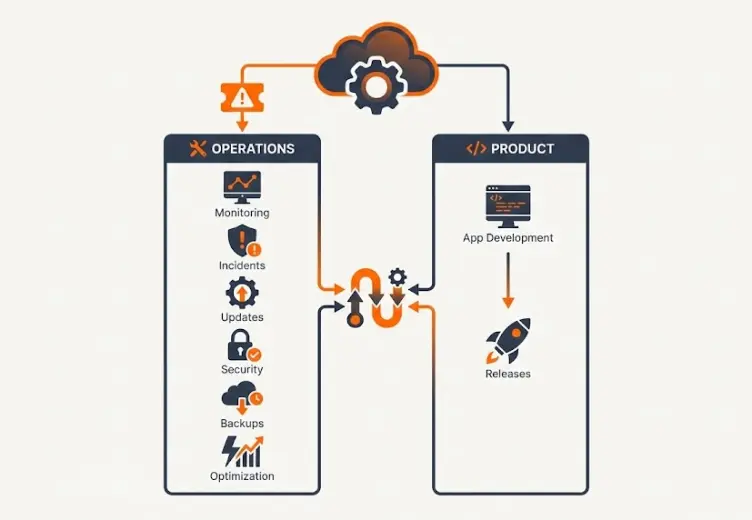
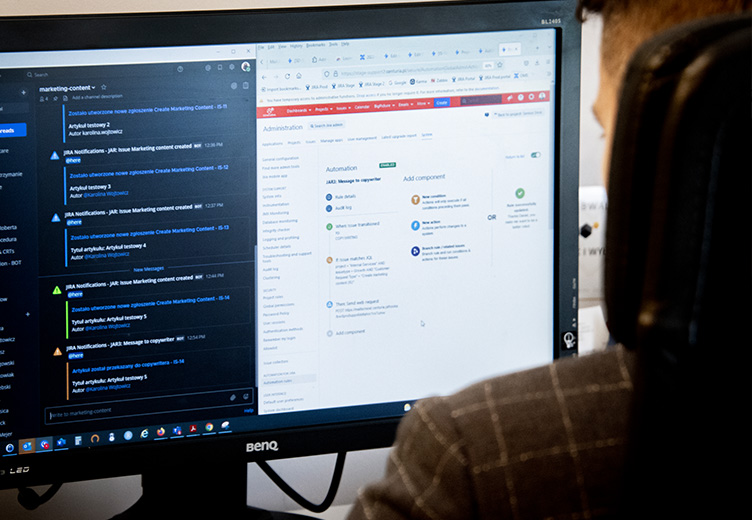
Utrzymanie krytycznych aplikacji to powtarzalny proces, nie ręczne klikanie po serwerach. Dlatego pracujemy na stacku, który daje kontrolę nad infrastrukturą, bezpieczne wdrożenia i szybkie reagowanie na problemy.






Utrzymujemy środowiska dla aplikacji, które muszą działać bez przerw - e-commerce, SaaS, FinTech i MedTech. Centuria Cloud to nasza chmura w Polsce, zbudowana pod stabilność, bezpieczeństwo i przewidywalną wydajność.

Architektura odporna na awarie

Optymalna cena
Autoskalowanie

Support 24/7/365

Proces CI/CD

Opiekun handlowy
Centuria to proaktywny partner biznesowy, który nie czeka na nasz ruch, a samodzielnie szuka potrzebnych rozwiązań lub ulepszeń, które możemy wspólnie wdrożyć. Razem od lat pracujemy na sukces jednej z największych instancji Magento w Polsce. Szczerość we współpracy i profesjonalne doradztwo, z którego chętnie korzystamy od lat są dla nas bezcenne. Z czystym sumieniem możemy polecić Centurię jako eksperta w dziedzinie infrastruktury.

Snowdog

Nasza wieloletnia współpraca z Centurią opiera się na dużym zaufaniu i partnerskim podejściu do projektów, ale też koleżeńskiej atmosferze w ramach zespołów projektowych. Elastyczność, dobra komunikacja i nasze poczucie bezpieczeństwa wynikające ze wsparcia zespołu ekspertów bardzo dobrze znających się na Magento sprawiają, że jesteśmy gotowi polecać Centurię innym. Czujemy, że zawsze możemy na nich polegać.

Strix
Chcemy dowozić wysoką wartość naszym Klientom. Kluczem od zapewnienia bezpiecznego i sprawnego działania sklepów Magento są odpowiednie rozwiązania serwerowe. Potrzebowaliśmy w tym obszarze partnera proaktywnego, który sam poszukuje najlepszych możliwych rozwiązań i jest bardzo proaktywny. Takim partnerem jest dla nas Centuria, z którą współpracujemy już od około 2 lat. Bardzo podoba nam się to, jak usprawniają i porządkują każdy projekt, nad którym zaczynają pracować. Centuria to partner, któremu ufamy i możemy polecić jako eksperta rozwiązać serwerowych dla Magento.

Growcode sp. z o.o.
Z Centurią współpracujemy od wielu lat, ceniąc sobie dużą wiedzę, doświadczenie i elastyczność zespołu. Firma wyróżnia się niezwykle profesjonalnym podejściem do supportu i wysoką responsywnością na wrzucane przez nas tickety. Jest świetnym doradcą w zakresie zarządzania infrastrukturą IT. Rzetelny partner biznesowy przy wdrożeniach dużych projektów.

Advox Studio
Bardzo cenimy współpracę z Centurią za proaktywne podejście, wiedzę ekspercką i zaangażowanie na każdym etapie projektu. Zespół Centurii niejednokrotnie pomógł nam w wyborze rozwiązań serwerowych dla naszych klientów, a dzięki ich doświadczeniu i profesjonalnemu wsparciu otrzymaliśmy rozwiązania dostosowane do konkretnych potrzeb biznesowych. Polecamy Centurię każdemu, kto potrzebuje solidnego i kompetentnego partnera w obszarze infrastruktury IT.

Spyrosoft Ecommerce S.A.
W naszej ocenie Centurię wyróżnia przede wszystkim działanie w interesie firmy klienta. Współpracując z nimi można liczyć na spersonalizowane i indywidualne podejście nawet do najtrudniejszych przypadków. Czujemy, że proponowane rozwiązania są „szyte na miarę” naszych potrzeb, poprzez zaangażowanie naszej agencji w proces ich tworzenia, oparty na wspólnych dyskusjach nad możliwymi rozwiązaniami.

Lizard Media
Współpracę z Centurią cenię przede wszystkim za profesjonalizm i specjalistyczną wiedzę związaną z Magento. Jest to nieocenioną wartością w sytuacjach krytycznych. Wsparcie 24/7 daje duży spokój zarówno nam, jak i naszym klientom. Zdecydowanie polecam Centurię wszystkim, którzy traktują biznes poważnie i liczą na profesjonalnego, stabilnego partnera w rozwoju swojego biznesu.

Panda Group
Razem z Centurią rozwijamy jedną z największych platform sprzedażowych bazujących na Magento w Polsce. Profesjonalizm oraz wysokie zaangażowanie bezpośrednio przekłada się na efekty. Centuria to specjaliści w dziedzinie administracji oraz zarządzania infrastrukturą o bardzo złożonej konstrukcji i mnogiej ilości powiązań pomiędzy systemami. Ciągłość oraz dostępność ww. systemu od początku współpracy jest utrzymana w sposób spełniający nasze wymagania, a zlecenia są realizowane z najwyższą starannością.

Castorama
Z racji specyfiki naszego projektu gear.cdprojektred.com potrzebowaliśmy solidnego partnera dobrze zaznajomionego z nowoczesnymi technologiami, który szybko i sprawnie wdroży infrastrukturę dla naszej aplikacji. Centuria wzorowo poradziła sobie z zadaniem oraz dodatkowo zapewniła stabilność sprzedaży podczas dużych akcji promocyjnych, które przeprowadzaliśmy.

CD PROJEKT RED STORE
The team never left us wondering if things were getting done. We instead had full confidence that this knowledgable team knew what to do and that they'd get it done. I write this review because changes within our organization moved us in a different direction and we now no longer work with Centuria. To show my appreciation for their attentiveness and effectiveness

mTab





Co to jest cloud hosting i czym różni się od VPS?

Cloud hosting to model, w którym Twoja aplikacja działa na elastycznych zasobach chmury, a nie na jednej wirtualnej maszynie „na sztywno”. W praktyce łatwiej dopasować moc do aktualnego obciążenia i rozbudować środowisko, gdy system rośnie.
VPS to zazwyczaj pojedyncza maszyna wirtualna z ustalonymi parametrami (CPU/RAM/dysk). Działa dobrze jako start, ale przy większych wymaganiach często pojawiają się ograniczenia. Trudniejsze skalowanie, większe ryzyko single point of failure i więcej pracy operacyjnej po stronie klienta.
Cloud hosting a serwer dedykowany - kiedy który model ma sens?
Cloud hosting ma sens, gdy liczy się elastyczność, szybkie zmiany i odporność na awarie – szczególnie w systemach, które rosną, mają piki obciążenia albo muszą działać 24/7. To dobry wybór dla aplikacji krytycznych, gdzie chcesz mieć możliwość rozbudowy środowiska bez migracji na nowy serwer.
Serwer dedykowany często wygrywa, gdy obciążenie jest stałe i przewidywalne, a priorytetem jest maksymalna kontrola i wydajność na jednej, mocnej maszynie. Dla części systemów to może być najlepsza relacja koszt/wydajność – szczególnie jeśli nie potrzebujesz skalowania w krótkim czasie.
Czy Centuria Cloud to prawdziwa chmura, czy po prostu VPS w ładnym opakowaniu?
Centuria Cloud to chmura w praktycznym sensie. Platforma, na której środowisko można rozwijać i skalować bez budowania wszystkiego od zera na jednej maszynie. Kluczowa różnica polega na tym, że nie sprzedajemy samej instancji, tylko sposób utrzymania. Architekturę pod dostępność, proces operacyjny, monitoring i reakcję na incydenty.
VPS to zwykle pojedyncza VM-ka z parametrami i odpowiedzialnością głównie po stronie klienta. W Centuria Cloud bierzemy na siebie operacje i standardy utrzymania, dzięki czemu możesz traktować infrastrukturę jako stabilną bazę pod system krytyczny, a nie jako element, który ciągle wymaga ręcznej opieki.
Dla jakich aplikacji cloud hosting jest najlepszym wyborem?
Cloud hosting sprawdza się najlepiej tam, gdzie system jest krytyczny dla biznesu i musi działać przewidywalnie, nawet gdy obciążenie się zmienia. Typowe przykłady to e-commerce (piki, kampanie, sezonowość), SaaS (usługa 24/7), systemy transakcyjne i integracyjne w FinTech oraz aplikacje, gdzie przestój zatrzymuje procesy (CRM/ERP/WMS/PIM, logistyka, obsługa klienta).
Jeśli aplikacja rośnie, ma okresowe skoki ruchu lub wymaga szybkiego uruchamiania nowych środowisk (dev/stage/prod), cloud hosting zwykle daje najwięcej korzyści. Dla małych, stabilnych serwisów bez większych wymagań operacyjnych często wystarczy VPS lub prostszy model.
Czy cloud hosting oznacza wysoką dostępność (HA) automatycznie?
Nie. Cloud hosting daje narzędzia i elastyczność, ale wysoka dostępność nie włącza się sama. HA trzeba zaprojektować. Określić, które elementy mają być redundantne (aplikacja, baza, cache, sieć), jak ma wyglądać przełączenie w razie awarii i jakie są realne cele dostępności.
Dlatego na start ustalamy wymagania biznesowe i techniczne (co jest krytyczne, jaki downtime jest akceptowalny), a potem dobieramy architekturę. Bez tego cloud może działać jak jedna maszyna w chmurze – i wtedy nie wykorzystujesz jego potencjału.
Jak wygląda HA i failover w Centuria Cloud?
HA w Centuria Cloud budujemy warstwowo, zależnie od tego, czego wymaga aplikacja. Najczęściej oznacza to co najmniej redundancję warstwy aplikacji (kilka instancji + równoważenie ruchu), a w bardziej wymagających przypadkach również redundancję bazy danych i usług wspierających (cache/kolejki).
Failover polega na tym, że jeśli jeden element przestaje działać, ruch lub rola usługi jest przełączana na działającą instancję. Kluczowe jest to, że nie sprzedajemy jednego „szablonu HA” dla wszystkich – najpierw ustalamy scenariusze awarii, cele (RTO/RPO) i dopiero potem dobieramy konfigurację, żeby przełączenie było przewidywalne, a nie przypadkowe.
Co się dzieje, gdy padnie jeden z elementów infrastruktury?
To zależy od tego, jaką architekturę ustalimy dla Twojego systemu, ale celem jest zawsze to samo: awaria pojedynczego elementu nie ma zatrzymać usługi. W środowisku przygotowanym pod HA ruch może zostać skierowany na działające instancje aplikacji, a usługi wspierające (np. cache, kolejki, baza) mają zaplanowany scenariusz przełączenia lub odtworzenia.
Najważniejsze jest to, że działamy według procedury: wykrycie → ocena wpływu → działania naprawcze/przełączenie → komunikacja → analiza po incydencie.
Dzięki temu awaria nie zamienia się w chaos, a Ty dostajesz jasną informację, co się stało i co robimy dalej.
Jak szybko reagujecie na awarie i kto bierze odpowiedzialność za incydent?
Reagujemy zgodnie z ustalonym priorytetem incydentu i zakresem usługi – w modelu managed to my bierzemy odpowiedzialność za warstwę infrastruktury i utrzymania. Kluczowe jest to, że nie zostawiamy Cię z „ticketem do dostawcy” – problem jest po naszej stronie operacyjnej, a Ty dostajesz status i plan działań.
Jeśli problem dotyczy aplikacji, współpracujemy z Twoim zespołem developerskim i wspieramy diagnozę od strony środowiska. Dbamy też o stabilność platformy i ograniczenie wpływu na użytkowników.
Jak wygląda backup - jak często robicie kopie i jak długo je trzymacie?
Backup projektujemy pod wymagania systemu, bo jedna polityka dla wszystkich zwykle kończy się rozczarowaniem w krytycznym momencie. Na start ustalamy, co jest kluczowe (bazy danych, pliki, konfiguracje), jak często mają powstawać kopie i jak długo mają być przechowywane (retencja). Dopiero potem dobieramy mechanizm i harmonogram.
W praktyce ważne są trzy rzeczy: regularność kopii, retencja dopasowana do potrzeb biznesu oraz to, czy odtworzenie jest realnie możliwe w zakładanym czasie. Dlatego backup traktujemy jako proces utrzymaniowy, a nie jednorazową konfigurację „na zawsze”.
Jak zabezpieczacie środowisko (dostępy, aktualizacje, ochrona przed atakami)?
Zaczynamy od podstaw, które mają największy wpływ. Kontrola dostępów (MFA, role, zasada najmniejszych uprawnień), aktualizacje i hardening systemów oraz segmentacja sieci. Do tego dochodzą logi i monitoring zdarzeń, żeby wykrywać anomalie i mieć materiał do diagnozy incydentów.
Jeśli system jest narażony na ataki z internetu, dokładamy ochronę na brzegu (np. WAF, mechanizmy anty-DDoS, rate limiting). Bezpieczeństwo traktujemy jako zestaw warstw i proces, a nie pojedynczy dodatek.
Czy mogę mieć własny zespół dev i tylko oddać Wam utrzymanie infrastruktury?
Tak – to bardzo częsty model. Twój zespół rozwija aplikację i planuje release’y, a my dbamy o stabilne środowisko pod spodem. Zasoby, bezpieczeństwo, monitoring, kopie, aktualizacje i reakcję na awarie. Dzięki temu devowie nie muszą zajmować się utrzymaniem serwerów, a wdrożenia są bezpieczniejsze i bardziej przewidywalne.
Jeśli potrzebujesz, możemy też spiąć proces wdrożeń (CI/CD w GitLabie), przygotować standardy środowisk (dev/stage/prod) i ustalić zasady zmian, żeby praca obu zespołów była płynna.