Support 24/7: +48 61 646 07 77

Wdrożenie Kubernetes
Kubernetes to klucz do zwiększenia efektywności, skalowalności i niezawodności w zarządzaniu aplikacjami. Dzięki temu zaawansowanemu systemowi orkiestracji kontenerów, Twoje aplikacje mogą działać płynniej, szybciej reagować na zmieniające się potrzeby biznesowe i automatycznie dostosowywać zasoby. Kubernetes zapewnia nie tylko oszczędność czasu i zasobów, ale także podnosi poziom bezpieczeństwa aplikacji. Wdrażaj nowe funkcje szybciej i efektywniej, zarządzaj łatwiej wieloma usługami, a wszystko to przy minimalnym ryzyku awarii.
60
%
zwiększenie szybkości wdrażania zmian
50
%
zmniejszenie kosztów infrastruktury nawet o połowę


Projektowanie architektury Kubernetes, w tym decyzje dotyczące klastrów, sieci, przechowywania danych i zabezpieczeń.
Instalacja potrzebnych komponentów Kubernetes, w tym master i node components.
Utworzenie i wdrożenie manifestów Kubernetes, w tym podów, usług, kontrolerów i ingress.
Dostosowanie zasobów, skalowanie i balansowanie obciążenia w celu optymalizacji wydajności. Weryfikacja stabilności klastrów.
Bieżące zarządzanie klastrami, w tym aktualizacje, skalowanie i rozwiązywanie problemów.

Kubernetes to otwarto źródłowy system do automatycznego wdrażania, skalowania i zarządzania aplikacjami kontenerowymi, który stał się fundamentem nowoczesnego środowiska IT. Umożliwia on efektywne zarządzanie aplikacjami, które są rozłożone na wielu kontenerach, upraszczając ich wdrożenie, skalowanie i utrzymanie. Dzięki swojej modularnej architekturze i wszechstronności, Kubernetes idealnie nadaje się do obsługi zarówno małych, jak i dużych, złożonych aplikacji.
Jego zastosowanie wykracza poza pojedyncze aplikacje – umożliwia tworzenie całych ekosystemów mikroserwisów, wspierając rozwój i operacje zwinnych, skalowalnych oraz odpornych na awarie systemów IT.
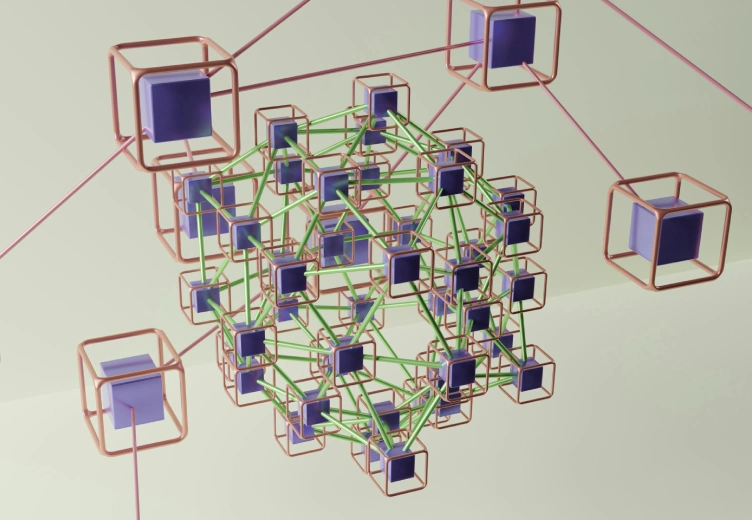
Kubernetes wykorzystuje złożoną, ale wysoce efektywną architekturę, która pozwala na skalowalne i elastyczne zarządzanie aplikacjami kontenerowymi. Jego fundament stanowią klastry, będące zbiorami węzłów (nodes), które mogą być fizycznymi lub wirtualnymi maszynami. Każdy węzeł hostuje pody – najmniejsze jednostki w Kubernetes, które mogą zawierać jeden lub więcej kontenerów. Pody są podstawowym budulcem w Kubernetes, zarządzane i orkiestrowane w sposób zapewniający ich ciągłą dostępność i wydajność.

Kubernetes nie tylko rewolucjonizuje zarządzanie aplikacjami w środowiskach lokalnych, ale również oferuje potężne możliwości w chmurze, integrując się płynnie z wiodącymi dostawcami usług cloudowych takimi jak Amazon Web Services (AWS), Microsoft Azure i Google Cloud Platform (GCP).


Uruchomienie rozproszonego środowiska i szybka reakcja na awarie to tylko początek tego, jak Kubernetes rewolucjonizuje zarządzanie aplikacjami. Implementacja Kubernetes zapewnia pełen zakres funkcji, które są kluczowe dla efektywnego rozwoju i utrzymania aplikacji skonteneryzowanych:
Ekosystem Kubernetes składa się z szerokiego spektrum narzędzi i technologii, które wspólnie tworzą solidną platformę do efektywnego wdrażania, skalowania i zarządzania aplikacjami w środowiskach kontenerowych. Nasz stack technologiczny został starannie dobrany, aby zapewnić naszym klientom najwyższą wydajność, niezawodność i bezpieczeństwo ich aplikacji.






Nasze rozwiązania umożliwiają bezproblemową integrację z chmurami publicznymi i prywatnymi, co otwiera przed Twoją firmą nowe możliwości rozwoju i adaptacji do zmieniającego się środowiska. Dzięki wykorzystaniu Kubernetesa, deweloperzy mogą skupić się na kodowaniu bez konieczności martwienia się o infrastrukturę, ponieważ Kubernetes automatycznie zarządza zasobami, zapewniając ich optymalne wykorzystanie. To zapewnia nie tylko wyższą wydajność aplikacji, ale także znaczne oszczędności kosztów.

Automatyzacja deploymentu

Auto-healing

Optymalizacja kosztów

Nieprzerwana dostępność

Skalowanie

Większe bezpieczeństwo
Centuria to proaktywny partner biznesowy, który nie czeka na nasz ruch, a samodzielnie szuka potrzebnych rozwiązań lub ulepszeń, które możemy wspólnie wdrożyć. Razem od lat pracujemy na sukces jednej z największych instancji Magento w Polsce. Szczerość we współpracy i profesjonalne doradztwo, z którego chętnie korzystamy od lat są dla nas bezcenne. Z czystym sumieniem możemy polecić Centurię jako eksperta w dziedzinie infrastruktury.

Snowdog

Nasza wieloletnia współpraca z Centurią opiera się na dużym zaufaniu i partnerskim podejściu do projektów, ale też koleżeńskiej atmosferze w ramach zespołów projektowych. Elastyczność, dobra komunikacja i nasze poczucie bezpieczeństwa wynikające ze wsparcia zespołu ekspertów bardzo dobrze znających się na Magento sprawiają, że jesteśmy gotowi polecać Centurię innym. Czujemy, że zawsze możemy na nich polegać.

Strix
Chcemy dowozić wysoką wartość naszym Klientom. Kluczem od zapewnienia bezpiecznego i sprawnego działania sklepów Magento są odpowiednie rozwiązania serwerowe. Potrzebowaliśmy w tym obszarze partnera proaktywnego, który sam poszukuje najlepszych możliwych rozwiązań i jest bardzo proaktywny. Takim partnerem jest dla nas Centuria, z którą współpracujemy już od około 2 lat. Bardzo podoba nam się to, jak usprawniają i porządkują każdy projekt, nad którym zaczynają pracować. Centuria to partner, któremu ufamy i możemy polecić jako eksperta rozwiązać serwerowych dla Magento.

Growcode sp. z o.o.
Z Centurią współpracujemy od wielu lat, ceniąc sobie dużą wiedzę, doświadczenie i elastyczność zespołu. Firma wyróżnia się niezwykle profesjonalnym podejściem do supportu i wysoką responsywnością na wrzucane przez nas tickety. Jest świetnym doradcą w zakresie zarządzania infrastrukturą IT. Rzetelny partner biznesowy przy wdrożeniach dużych projektów.

Advox Studio
Bardzo cenimy współpracę z Centurią za proaktywne podejście, wiedzę ekspercką i zaangażowanie na każdym etapie projektu. Zespół Centurii niejednokrotnie pomógł nam w wyborze rozwiązań serwerowych dla naszych klientów, a dzięki ich doświadczeniu i profesjonalnemu wsparciu otrzymaliśmy rozwiązania dostosowane do konkretnych potrzeb biznesowych. Polecamy Centurię każdemu, kto potrzebuje solidnego i kompetentnego partnera w obszarze infrastruktury IT.

Spyrosoft Ecommerce S.A.
W naszej ocenie Centurię wyróżnia przede wszystkim działanie w interesie firmy klienta. Współpracując z nimi można liczyć na spersonalizowane i indywidualne podejście nawet do najtrudniejszych przypadków. Czujemy, że proponowane rozwiązania są „szyte na miarę” naszych potrzeb, poprzez zaangażowanie naszej agencji w proces ich tworzenia, oparty na wspólnych dyskusjach nad możliwymi rozwiązaniami.

Lizard Media
Współpracę z Centurią cenię przede wszystkim za profesjonalizm i specjalistyczną wiedzę związaną z Magento. Jest to nieocenioną wartością w sytuacjach krytycznych. Wsparcie 24/7 daje duży spokój zarówno nam, jak i naszym klientom. Zdecydowanie polecam Centurię wszystkim, którzy traktują biznes poważnie i liczą na profesjonalnego, stabilnego partnera w rozwoju swojego biznesu.

Panda Group
Razem z Centurią rozwijamy jedną z największych platform sprzedażowych bazujących na Magento w Polsce. Profesjonalizm oraz wysokie zaangażowanie bezpośrednio przekłada się na efekty. Centuria to specjaliści w dziedzinie administracji oraz zarządzania infrastrukturą o bardzo złożonej konstrukcji i mnogiej ilości powiązań pomiędzy systemami. Ciągłość oraz dostępność ww. systemu od początku współpracy jest utrzymana w sposób spełniający nasze wymagania, a zlecenia są realizowane z najwyższą starannością.

Castorama
Z racji specyfiki naszego projektu gear.cdprojektred.com potrzebowaliśmy solidnego partnera dobrze zaznajomionego z nowoczesnymi technologiami, który szybko i sprawnie wdroży infrastrukturę dla naszej aplikacji. Centuria wzorowo poradziła sobie z zadaniem oraz dodatkowo zapewniła stabilność sprzedaży podczas dużych akcji promocyjnych, które przeprowadzaliśmy.

CD PROJEKT RED STORE
The team never left us wondering if things were getting done. We instead had full confidence that this knowledgable team knew what to do and that they'd get it done. I write this review because changes within our organization moved us in a different direction and we now no longer work with Centuria. To show my appreciation for their attentiveness and effectiveness

mTab





Jak mogę zacząć korzystać z Kubernetes?

Rozpoczęcie pracy z Kubernetes wymaga przygotowania odpowiedniej infrastruktury i skonfigurowania środowiska Kubernetes. Możemy Ci w tym pomóc, oferując kompleksowe doradztwo, projektowanie architektury oraz wsparcie w wdrożeniu i zarządzaniu klastrami Kubernetes.
Czy Kubernetes jest odpowiedni dla małych projektów?
Tak, Kubernetes może być korzystny nawet dla małych projektów, zapewniając łatwość skalowania w miarę rozwoju projektu, jak również upraszczając wiele procesów operacyjnych, co może być korzystne dla zespołów o ograniczonych zasobach.
Czy mogę używać Kubernetes z moją obecną infrastrukturą chmurową?
Tak, Kubernetes został zaprojektowany z myślą o elastyczności i może być wdrażany zarówno na infrastrukturze chmurowej, jak i lokalnej. Jest kompatybilny z większością dostawców usług chmurowych, takich jak AWS, Google Cloud i Azure, co ułatwia integrację i migrację.
Jak Kubernetes wspiera zarządzanie stanowymi aplikacjami i bazami danych?
Kubernetes oferuje wsparcie dla aplikacji stanowych za pomocą obiektów StatefulSets, które zapewniają stabilność nazw podów, trwałe przechowywanie danych oraz jednoznaczne identyfikatory sieciowe. Dzięki temu, nawet złożone aplikacje wymagające trwałego przechowywania danych, takie jak bazy danych SQL lub NoSQL, mogą być efektywnie zarządzane i skalowane w środowisku Kubernetes, zachowując przy tym niezbędną spójność danych i dostępność.
Jak Kubernetes integruje się z istniejącymi narzędziami CI/CD?
Kubernetes doskonale współpracuje z popularnymi narzędziami CI/CD, takimi jak Jenkins, GitLab CI/CD czy CircleCI, dzięki czemu procesy wdrażania aplikacji mogą być jeszcze bardziej automatyzowane i usprawnione. Integracja Kubernetes z tymi narzędziami pozwala na bezproblemowe przenoszenie kodu z repozytoriów do produkcji, automatyzację testów, wdrażanie aktualizacji oraz zarządzanie zwrotnym przepływem informacji o stanie aplikacji. Dzięki temu deweloperzy mogą skupić się na pisaniu kodu, podczas gdy Kubernetes zajmuje się jego dostarczaniem i skalowaniem.