Support 24/7: +48 61 646 07 77

Przygotowujemy instytucje finansowe i ich dostawców do spełnienia wymagań rozporządzenia DORA. Sprawdzimy i ocenimy luki, wdrożymy kluczowe polityki i procesy (ryzyko ICT, incydenty, testy odporności, ciągłość działania, dostawcy) oraz uporządkujemy infrastrukturę: monitoring 24/7, backupy, HA i komplet dokumentów dla audytu.


Identyfikujemy luki DORA oraz ryzyka w procesach i infrastrukturze ICT.
Tworzymy polityki, procedury, rejestry i roadmapę realizacji z KPI.
Wdrażamy procesy i narzędzia (ryzyko, incydenty, BCM/DRP, monitoring 24/7, backupy, HA) oraz kompletujemy dowody dla audytu.
Ćwiczymy scenariusze, testujemy odporność (tabletop/TLPT) i utrwalamy raportowanie wymagane przez DORA.

Audyt DORA (gap assessment) to uporządkowany przegląd Twoich procesów i infrastruktury względem pięciu filarów DORA. Pracujemy na dokumentach i konfiguracjach, rozmawiamy z zespołem, sprawdzamy architekturę, logi, RTO/RPO i progi alertów.
Obejmujemy m.in. ryzyko i incydenty, ciągłość działania (BCM/DRP), monitoring 24/7, backup/HA, tożsamości i dostępy (IAM), podatności/patching, rejestry oraz współpracę z dostawcami.
Wynikiem jest mapa luk z oceną wpływu, podział na quick wins i projekty, oraz roadmapa z właścicielami i KPI + lista brakujących polityk/procedur/rejestrów (evidence pack). Dzięki temu wiesz, co zrobić najpierw i dlaczego.
Efekt: spójny, praktyczny zestaw dokumentów i artefaktów, na których realnie pracuje zespół — a nie tylko „papier pod audyt”.

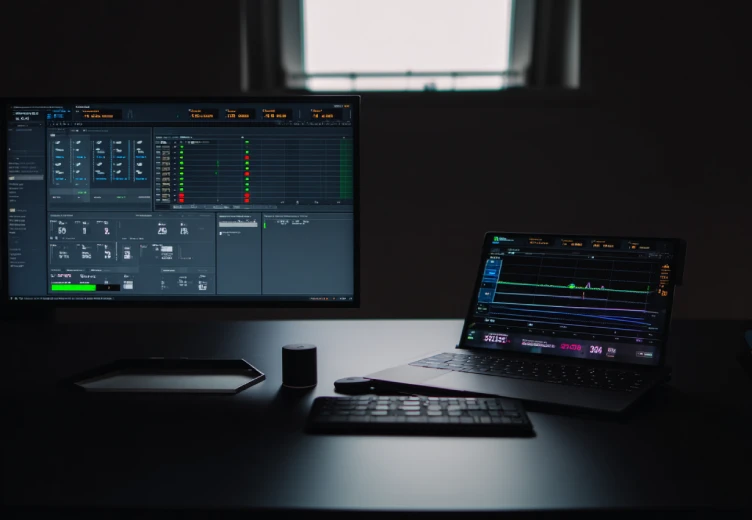
Wdrożenie techniczne pod DORA to przełożenie wymagań regulacji na konkretne kontrole w Twojej infrastrukturze — tak, żeby dało się tym zarządzać, mierzyć i audytować.


Co robimy:
Efektem jest pełna kontrola ryzyka w łańcuchu dostaw i przewidywalna zmiana usługodawcy — bez chaosu i z kompletem dowodów dla audytu.
Wspieramy instytucje finansowe i ich dostawców w praktycznym wdrożeniu DORA. Łączymy warstwę proceduralną z techniczną: monitoring 24/7, backupy z testami odtworzeń, HA/DR i twarde runbooki. Porządkujemy rejestry, mapujemy wymagania do RTS/ITS, automatyzujemy raportowanie (4h/24h/72h/1 mies.) i przygotowujemy pełny evidence pack. Działamy w private i public cloud, blisko zespołów bezpieczeństwa i software house’ów.

Evidence pack gotowy na audyt

Monitoring 24/7

Backupy z testami odtworzeń

Raportowanie do KNF/ESAs

HA/DR i hardening

SLA & dostawcy
Centuria to proaktywny partner biznesowy, który nie czeka na nasz ruch, a samodzielnie szuka potrzebnych rozwiązań lub ulepszeń, które możemy wspólnie wdrożyć. Razem od lat pracujemy na sukces jednej z największych instancji Magento w Polsce. Szczerość we współpracy i profesjonalne doradztwo, z którego chętnie korzystamy od lat są dla nas bezcenne. Z czystym sumieniem możemy polecić Centurię jako eksperta w dziedzinie infrastruktury.

Snowdog

Nasza wieloletnia współpraca z Centurią opiera się na dużym zaufaniu i partnerskim podejściu do projektów, ale też koleżeńskiej atmosferze w ramach zespołów projektowych. Elastyczność, dobra komunikacja i nasze poczucie bezpieczeństwa wynikające ze wsparcia zespołu ekspertów bardzo dobrze znających się na Magento sprawiają, że jesteśmy gotowi polecać Centurię innym. Czujemy, że zawsze możemy na nich polegać.

Strix
Chcemy dowozić wysoką wartość naszym Klientom. Kluczem od zapewnienia bezpiecznego i sprawnego działania sklepów Magento są odpowiednie rozwiązania serwerowe. Potrzebowaliśmy w tym obszarze partnera proaktywnego, który sam poszukuje najlepszych możliwych rozwiązań i jest bardzo proaktywny. Takim partnerem jest dla nas Centuria, z którą współpracujemy już od około 2 lat. Bardzo podoba nam się to, jak usprawniają i porządkują każdy projekt, nad którym zaczynają pracować. Centuria to partner, któremu ufamy i możemy polecić jako eksperta rozwiązać serwerowych dla Magento.

Growcode sp. z o.o.
Z Centurią współpracujemy od wielu lat, ceniąc sobie dużą wiedzę, doświadczenie i elastyczność zespołu. Firma wyróżnia się niezwykle profesjonalnym podejściem do supportu i wysoką responsywnością na wrzucane przez nas tickety. Jest świetnym doradcą w zakresie zarządzania infrastrukturą IT. Rzetelny partner biznesowy przy wdrożeniach dużych projektów.

Advox Studio
Bardzo cenimy współpracę z Centurią za proaktywne podejście, wiedzę ekspercką i zaangażowanie na każdym etapie projektu. Zespół Centurii niejednokrotnie pomógł nam w wyborze rozwiązań serwerowych dla naszych klientów, a dzięki ich doświadczeniu i profesjonalnemu wsparciu otrzymaliśmy rozwiązania dostosowane do konkretnych potrzeb biznesowych. Polecamy Centurię każdemu, kto potrzebuje solidnego i kompetentnego partnera w obszarze infrastruktury IT.

Spyrosoft Ecommerce S.A.
W naszej ocenie Centurię wyróżnia przede wszystkim działanie w interesie firmy klienta. Współpracując z nimi można liczyć na spersonalizowane i indywidualne podejście nawet do najtrudniejszych przypadków. Czujemy, że proponowane rozwiązania są „szyte na miarę” naszych potrzeb, poprzez zaangażowanie naszej agencji w proces ich tworzenia, oparty na wspólnych dyskusjach nad możliwymi rozwiązaniami.

Lizard Media
Współpracę z Centurią cenię przede wszystkim za profesjonalizm i specjalistyczną wiedzę związaną z Magento. Jest to nieocenioną wartością w sytuacjach krytycznych. Wsparcie 24/7 daje duży spokój zarówno nam, jak i naszym klientom. Zdecydowanie polecam Centurię wszystkim, którzy traktują biznes poważnie i liczą na profesjonalnego, stabilnego partnera w rozwoju swojego biznesu.

Panda Group
Razem z Centurią rozwijamy jedną z największych platform sprzedażowych bazujących na Magento w Polsce. Profesjonalizm oraz wysokie zaangażowanie bezpośrednio przekłada się na efekty. Centuria to specjaliści w dziedzinie administracji oraz zarządzania infrastrukturą o bardzo złożonej konstrukcji i mnogiej ilości powiązań pomiędzy systemami. Ciągłość oraz dostępność ww. systemu od początku współpracy jest utrzymana w sposób spełniający nasze wymagania, a zlecenia są realizowane z najwyższą starannością.

Castorama
Z racji specyfiki naszego projektu gear.cdprojektred.com potrzebowaliśmy solidnego partnera dobrze zaznajomionego z nowoczesnymi technologiami, który szybko i sprawnie wdroży infrastrukturę dla naszej aplikacji. Centuria wzorowo poradziła sobie z zadaniem oraz dodatkowo zapewniła stabilność sprzedaży podczas dużych akcji promocyjnych, które przeprowadzaliśmy.

CD PROJEKT RED STORE
The team never left us wondering if things were getting done. We instead had full confidence that this knowledgable team knew what to do and that they'd get it done. I write this review because changes within our organization moved us in a different direction and we now no longer work with Centuria. To show my appreciation for their attentiveness and effectiveness

mTab





Czym różni się Wasze wdrożenie DORA od „samej dokumentacji” — co realnie dostarczacie?

Nie „drukujemy” polityk, tylko wdrażamy działające procesy i kontrole.
Co konkretnie dostarczamy:
Jak wygląda pierwszy krok współpracy i jakie dane potrzebujecie na start?
Krótka rozmowa startowa (30–45 min) + NDA. Ustalamy zakres, właścicieli procesów i dostęp read-only. Wysyłamy checklistę i formaty eksportów.
Na start potrzebujemy (minimum):
„DORA od kiedy?” — jakie są kluczowe daty i kamienie milowe (w tym RTS/ITS)?
Kluczowe daty DORA (skrót):
Czy możecie zintegrować procesy DORA z naszymi narzędziami (Jira/ServiceNow, SIEM, monitoring, ITSM)?
Tak. Integrujemy procesy DORA z Waszym stackiem bez wymiany narzędzi lub rekomendujemy zmianę na przyszłość.
Co robimy w praktyce:
Jira / ServiceNow (ITSM): typy zgłoszeń Incident/Problem/Change, pola dla DORA, SLA/KPI, automatyczne eskalacje on-call, szablony raportów i checklisty RCA.
SIEM & logi (np. Splunk, Elastic, Sentinel, QRadar): mapowanie reguł → severity DORA, webhooks do ITSM, dołączanie kontekstu (ID zdarzenia, dowody, timeline) i auto-tworzenie draftów zgłoszeń.
Monitoring/APM (Prometheus+Alertmanager, Grafana): progi Critical/High/Warning/Info, tagowanie usług, routing alertów, zrzuty dashboardów do „evidence pack”.
CMDB / katalog usług: krytyczność, właściciele, RTO/RPO, powiązania (ERP/PIM/WMS), zależności dostawców — pod raportowanie istotności.
Runbooki i wiedza (Confluence/Knowledge Base): przyciski „Execute runbook”, checklisty komunikacji (KNF/ESAs, klienci, PR), wersjonowanie zmian.
SSO/RBAC & audyt: OIDC/SAML, role i uprawnienia na zasadzie least privilege, pełny ślad zmian i retencja zgodna z polityką.
Standardy integracji: OpenTelemetry, syslog, API/webhooki — wpinamy się w to, co już macie.
Jak przebiega Audyt DORA (gap assessment) i jaki jest jego zakres?
Przebieg audytu (w skrócie):
Zakres zgodnie z DORA:
Czy wspieracie środowiska on-prem, private cloud i public cloud (AWS/Azure/GCP)?
Oczywiście, że tak!